

- Details
-
 By Tony Gregory
Learn how structured operator and maintenance training improves OEE, reduces downtime and increases the return on investment of automated packaging lines and bottle handling equipment.
Why “once‑and‑done” training isn’t enough
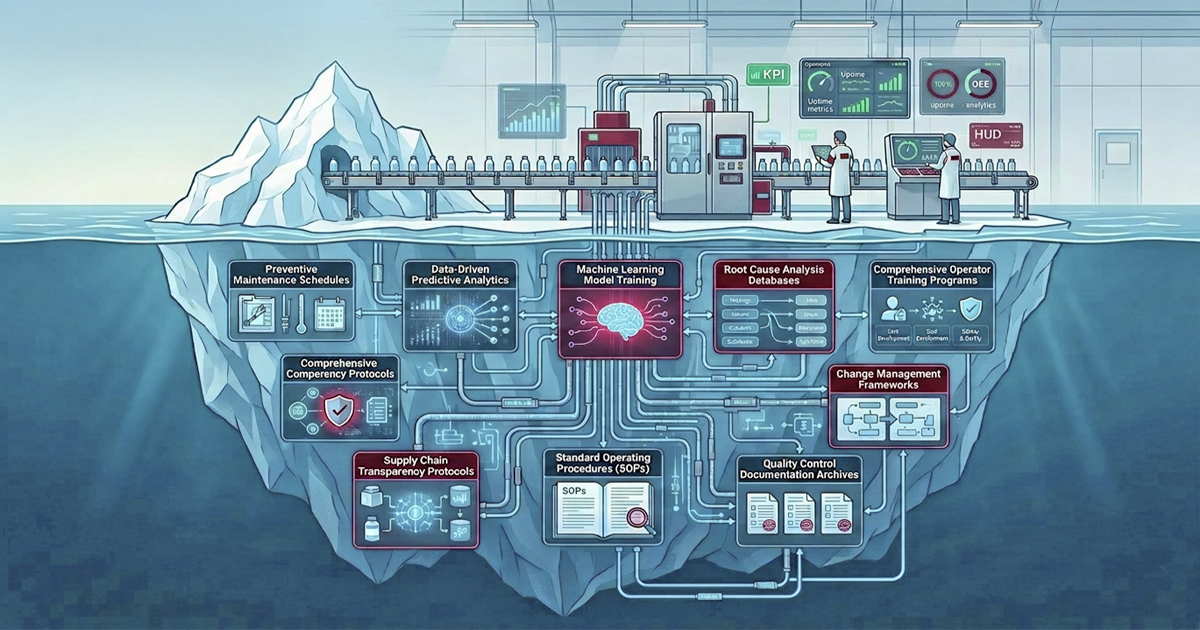
When a new production line is installed, we often deliver a comprehensive training session for operators and maintenance staff. That’s essential—but it’s only the beginning. In reality, as your team becomes familiar with the equipment, day‐to‐day issues, peer‑learning and drift in practices set in; six months later you’ll often find inefficiencies creeping in. Re‑training is not a redundant cost—it’s a strategic investment to boost overall equipment effectiveness (OEE). A well‑trained workforce drives better uptime, less waste and faster changeovers.
Particularly with complex systems like a complete new packaging line containing bottle unscrambler, filler-cappper and labeller plus the additional conveyor systems, training is critical to fully leverage the technology. Without periodic refreshers, you lose know‑how when staff rotate, retire or move roles. That knowledge gap eats into productivity and ROI.
Training methodology for operators & maintenance — what works
Initial training + hands‑on ramp‑up
At start‑up of a new line, deliver structured sessions for both operators and maintenance. Operators learn machine functions , change‑over procedures, quality checks; maintenance team covers preventive routines, diagnostics and spare‑parts management.
This is key for any type of industry: pharmaceutical, beauty and personal care, laundry, detergents, homecare and other chemical industries, food and beverage and motoroil.
Follow‑up training around 6 months
By 6 months in, the team has been running the line and has concrete issues, questions or workarounds. A targeted “Refresher & Improvement” session is ideal. Review OEE trends, root‑cause of downtime, waste and change‑over delays. Prepare a detail question list for your supplier. Link those to behavioural/training gaps. Example: the operator on a food and beverage bottle unscrambler in a high‑speed line might be seeing jam‑ups since a new bottle supplier was used. Possibly the sensors of the unscrambler need to be setup for the new bottle. He will be trainned on how to identify root cause and solve it.
This follow‑up is where you convert actual line data into actionable training.
Continuous tracking & skill‐mapping
Track who has been trained on which equipment (for example: on each unscrambler machine, on each airconveyor or rinser ). Maintain a training register per person, per machine and per shift. When someone leaves or shifts role, you instantly know which machine(s) lack a trained backup. Correlate dips in OEE or increases in unscheduled downtime with gaps in training history.
Retrofit/upgrades training
If you retrofit existing equipment (for example adding a new orientation station or upgrading a PLC or camera in your bottle unscrambler), you must plan training on the new functionality for both operators and maintenance. The existing team may know the base system well, but any upgrade introduces new failure modes or set‑up routines. Without this, you risk undoing ROI gains from the upgrade.
Real‑world impact on ROI & OEE
Numbers don’t lie. Training directly influences the “hidden” costs of downtime, scrap, quality rejects and inefficient changeovers. Well‑trained teams drive increased efficiency, reduced downtime, consistent quality, lower maintenance costs—and ultimately maximise equipment ROI.
When you think of ROI for packaging automation (including say a high‑speed bottle unscrambler in a chemical bottle handling equipment line or for pharmaceutical/cosmetic sectors), you include training costs in the investment base and time saved, waste reduced, uptime gained etc. in benefits. If training is executed once and then ignored, you leave money on the table.
From a maintenance viewpoint, a proper preventive maintenance programme (which relies on correctly trained operators/maintenance staff) is essential to avoid unplanned stops.
Steps to implement in your plant
- Baseline training metrics: Immediately after line start‑up, record baseline performance (change‑over time, scrap rate, downtime minutes, OEE).
- Training schedule: Initial session → follow‑up at ~6 months → annual refresher → as‑needed after upgrades or role changes.
- Training register matrix: Map machines vs personnel vs training dates; update when staff leave/role‑change.
- Link training to KPIs: When you see a drop in OEE or rise in downtime on, say, the bottle orienter or bottle unscrambler section, check training matrix. Was there next‑gen staff who did not attend refresher?
- Budget it as ROI enhancer: Instead of treating training as cost, treat it as part of the ROI calculation for your packaging automation line. Include refresher training costs in “investment cost”
Continuing from where we left off, here's the conclusion and JSON schema:
Conclusion: Training as a pillar of proven unscrambling technology performance
Whether you're running a high-speed bottle unscrambler in a food and beverage line or a robotic bottle unscrambler in a beautycare plant, your ROI is only as strong as your team’s skills. At POSIMAT, we've seen that structured, periodic training—combined with proper knowledge tracking—can extend machine lifetime, protect production KPIs, and safeguard your packaging automation investment.
Training is not an expense. It’s insurance against downtime and a lever for OEE.
Transparency statement: This article was written by the Posimat team. Images and editorial language review have been optimized using artificial intelligence tools.