
 By Santosh Zope
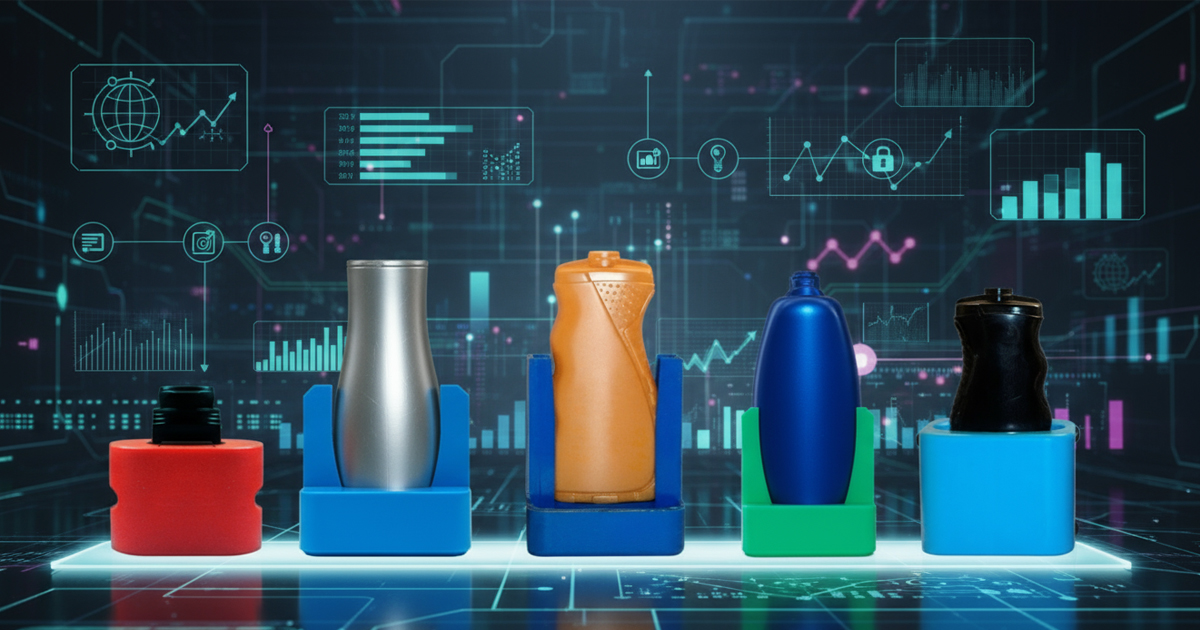
 When you’re evaluating a bottle feeding and handling line, especially a high-speed bottle unscrambler or orientation system, you’ll often hear about using a puck-line (also called a puck-handling system). A puck-line can be a smart move for the right applications: it delivers excellent stability and allows you to handle challenging bottle shapes. But it also brings investment and complexity.

 By Tony Gregory
 Overall Equipment Effectiveness (OEE) is a key performance indicator for any packaging automation system. In high-speed environments such as liquid filling lines, every micro-stop, changeover, or quality deviation directly affects productivity and profitability.
 By Santosh Zope
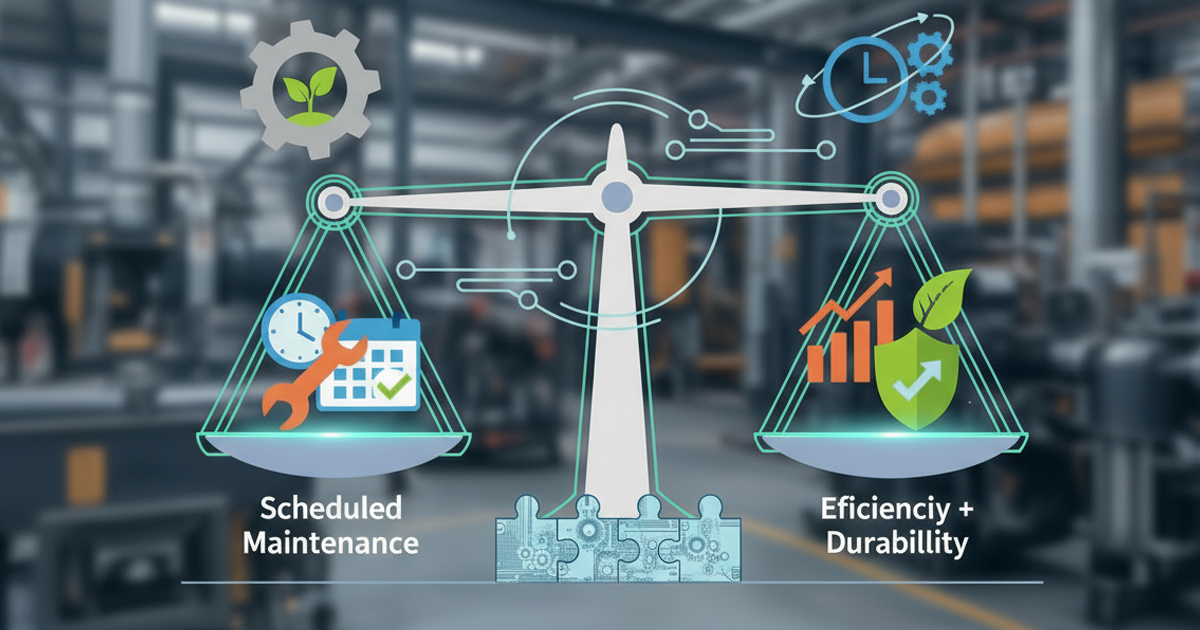
 Discover why minimal maintenance design is critical for long-term durability in packaging automation. Learn how maintenance downtime impacts OEE and how low-maintenance equipment helps optimize both CAPEX and OPEX.
 By Tony Gregory
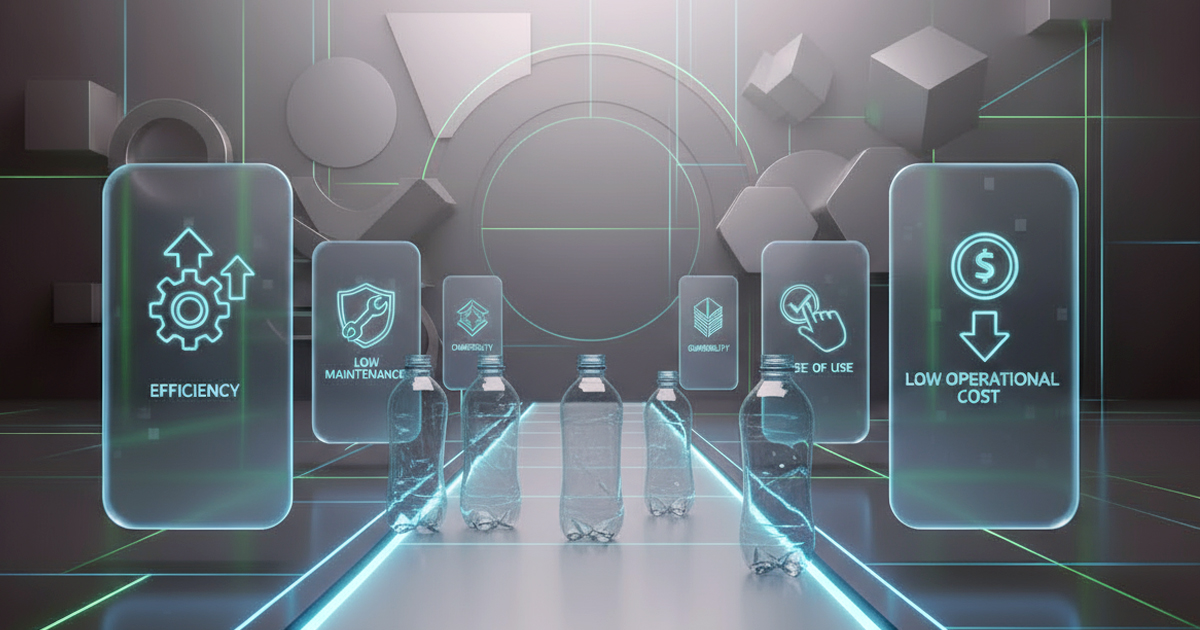
 Discover how choosing a POSIMAT automatic bottle unscrambler can significantly reduce the Total Cost of Ownership (TCO) in your packaging automation line. Benefit from proven unscrambling technology, long lifespan, and minimal maintenance.

 By Elisabet Martí
 The manufacturing of sterile pharmaceutical products is subject to some of the strictest regulations in the industry: Annex 1 of the EU Good Manufacturing Practices (GMP). This guideline sets out the requirements to ensure microbiological quality and safety for products administered via parenteral, ophthalmic, otic, or other sensitive routes.
 By Santosh Zope
 In many rapidly developing regions such as the Middle East, India, and Southeast Asia, manufacturers are experiencing a surge in demand for higher production capacity, efficiency, and international hygiene standards. Yet, some factories still rely on manual labor for empty bottle handling—a method that is increasingly seen as outdated, labor-intensive, and less hygienic.
 By Elisabet Martí
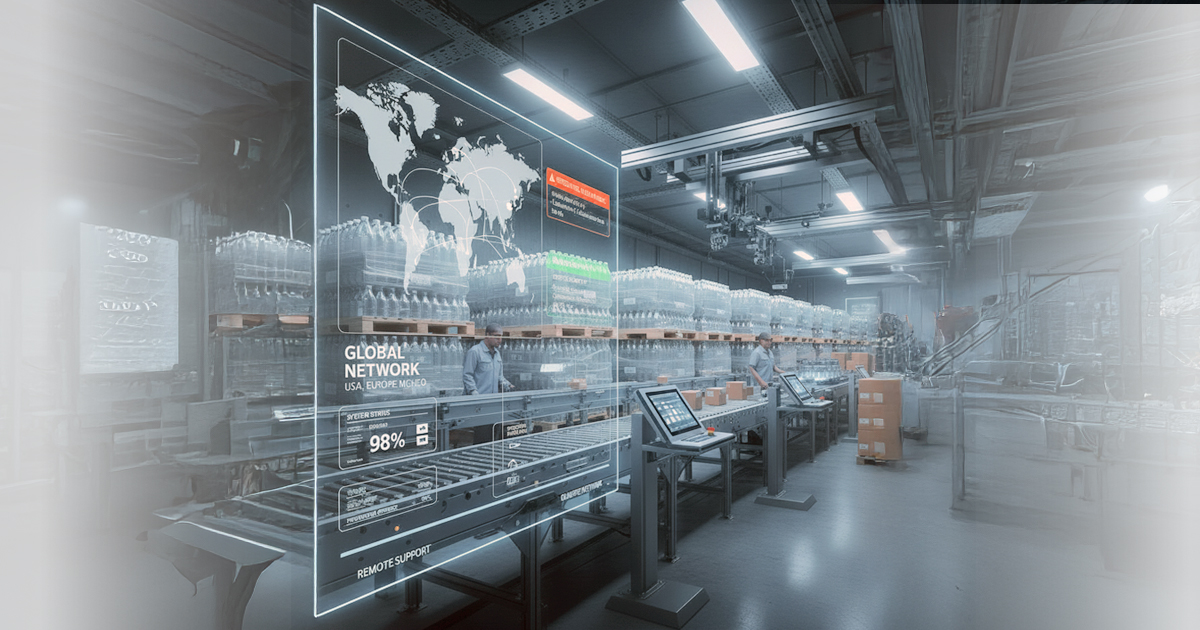
 When your bottle unscrambler suddenly stops during peak production, the speed and quality of your supplier’s technical support becomes mission-critical. Unfortunately, many buyers only realize the true value of after-sales service when it's too late.
 By Miriam Ciriano
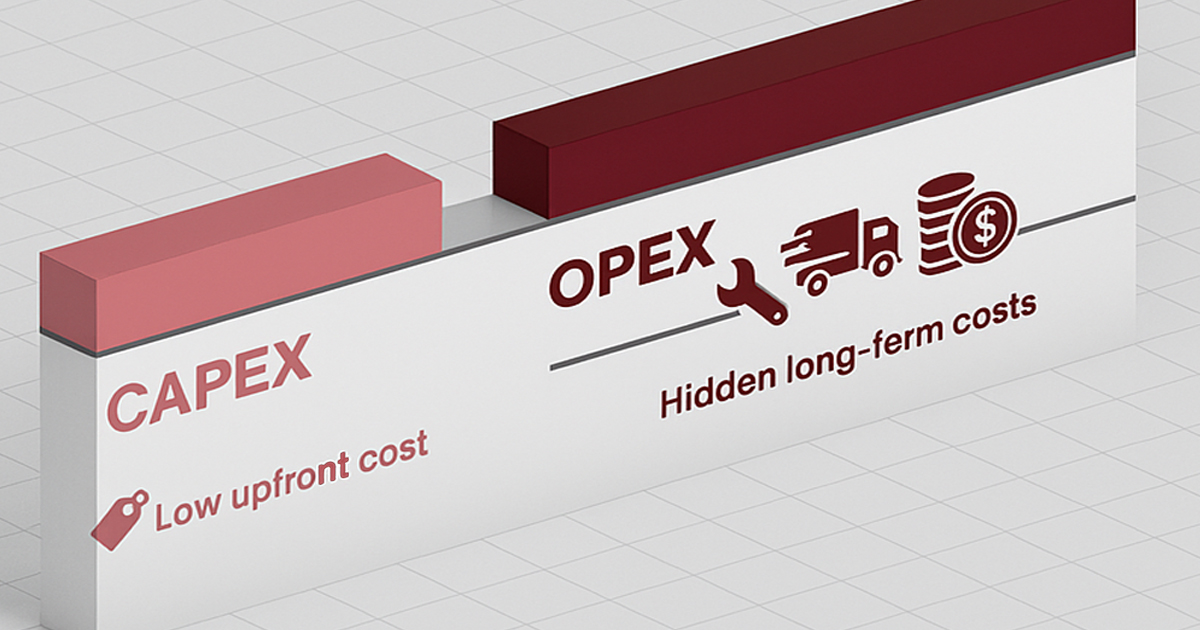
 When budgeting for a new bottle unscrambler or any packaging automation equipment, most companies focus heavily on the upfront CAPEX. But an often-ignored cost factor that will directly affect your Total Cost of Ownership (TCO) is:
Spare parts consumption over the next 5 years, 10 and 15 years.
 By Carolina Herrera
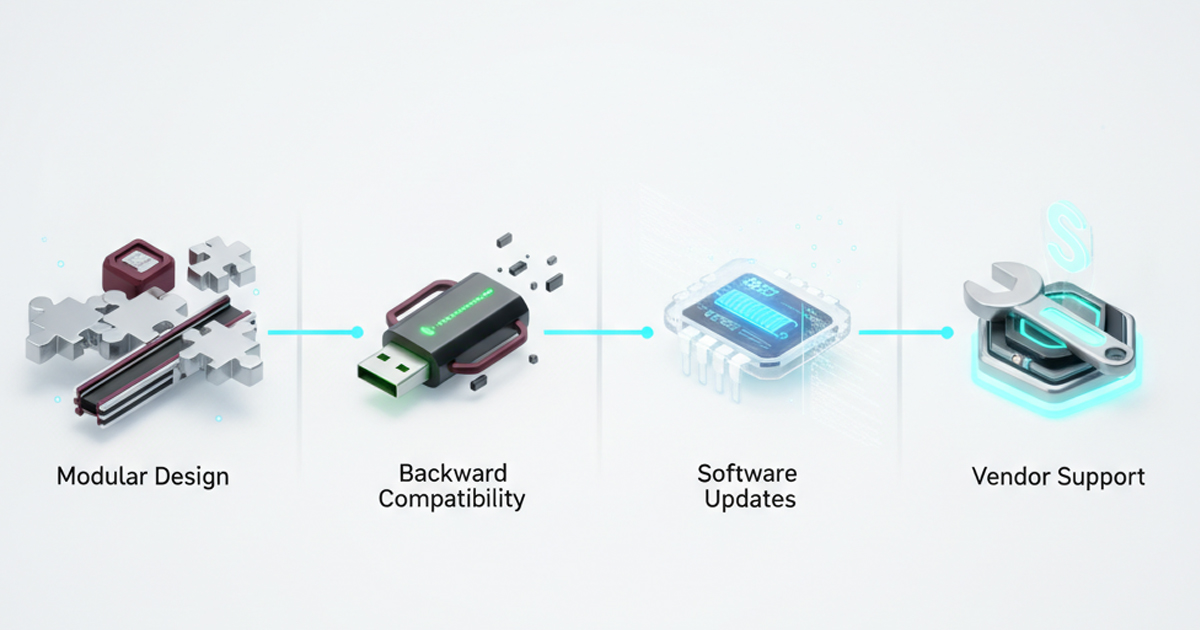
 Technology evolves fast. What seems state-of-the-art today can become obsolete tomorrow. When investing in a bottle unscrambler or any packaging automation equipment, it's critical to ask: Will this machine adapt to my needs in 10 or 15 years?
 By Elisabet Martí
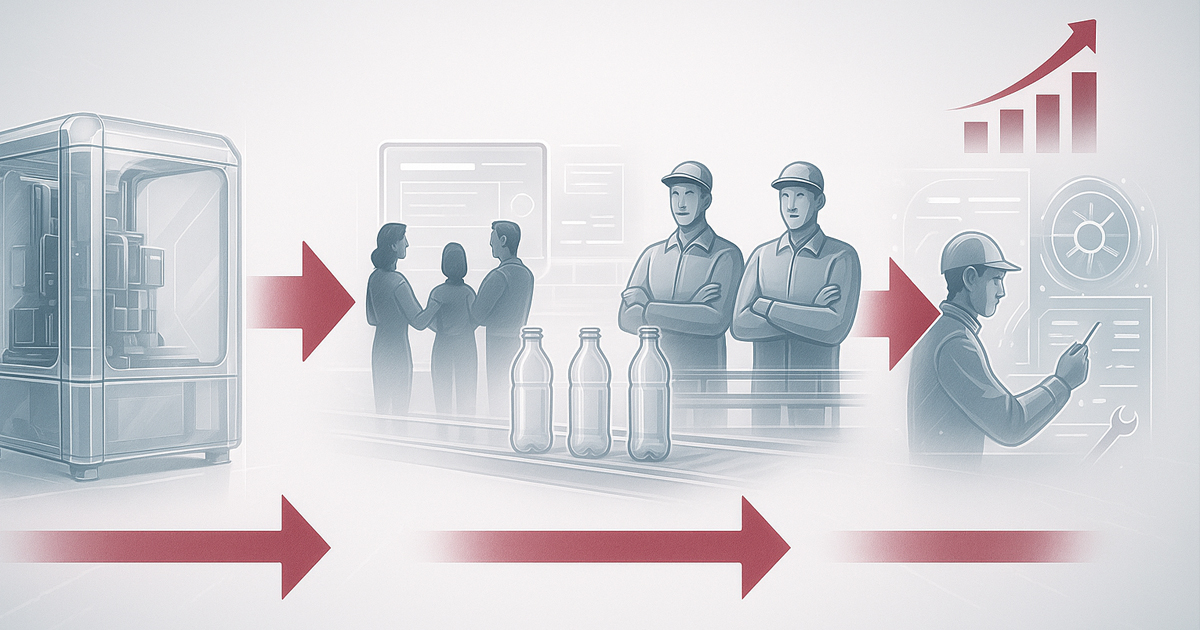
 Even the best bottle unscrambler or packaging automation equipment is only as good as the people running and maintaining it. One of the most overlooked factors during the buying process? The skill level of your internal maintenance and operations teams.
 By Carolina Herrera
 When production stops, every second counts. And while many buyers focus on the mechanical design and automation features of their bottle unscrambler or other packaging technology, one critical factor is often ignored until it’s too late: the quality of the operation manual and troubleshooting documentation.
 By Tony Gregory
 When investing in packaging automation, there’s a natural attraction to high-tech, fully automated solutions packed with robotics, sensors, and complex software. But when it comes to bottle unscramblers, sometimes simplicity is the real game changer.
Page 2 of 3
Transparency statement: The articles in this section have been written by the Posimat team. Images and editorial language review have been optimized using artificial intelligence tools.